Introduction
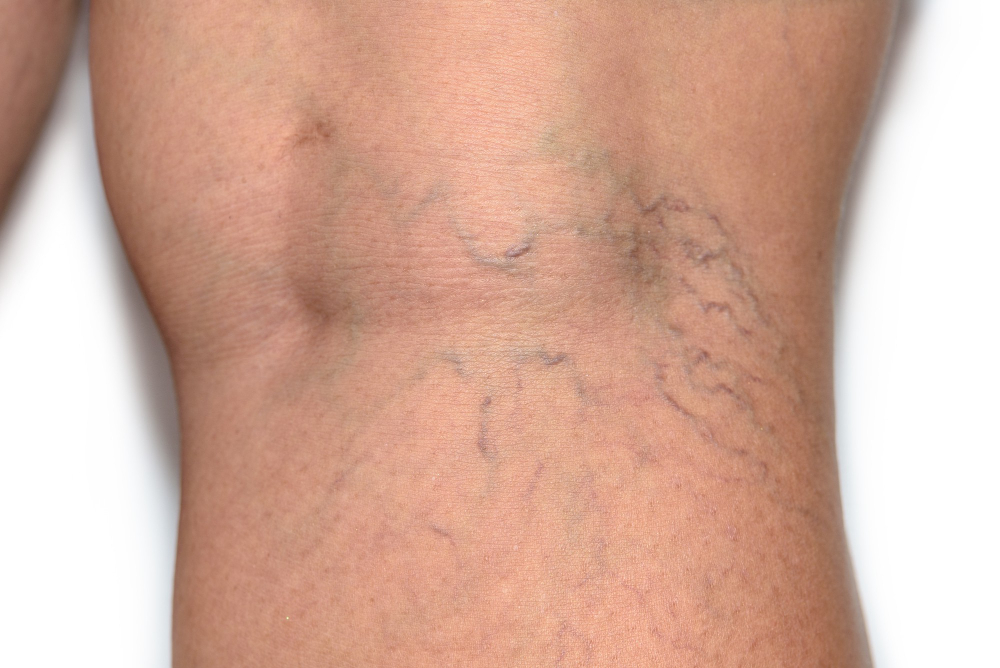
Many people notice blue or purple lines on their legs. These are called varicose veins or spider veins. Varicose veins are large, twisted veins that often bulge under the skin. Spider veins are smaller, red or blue lines that look like webs. Both are common. In fact, up to 35% of adults may develop them at some point, according to the CDC. Today, there are modern, painless solutions that work for both varicose and spider veins. You can find many minimally invasive vein procedures and painless spider vein solutions near you.
Symptoms and Signs
Varicose and spider veins can look different, but they often cause similar symptoms. For example, you may notice:
Sometimes, these veins do not hurt. However, if you feel pain, it is important to pay attention. In rare cases, skin changes or sores may develop. Early treatment can help prevent problems.
Causes and Risk Factors
Varicose and spider veins happen when blood does not flow well in your veins. Usually, tiny valves in your veins keep blood moving toward your heart. But sometimes, these valves weaken. As a result, blood pools in your veins, making them bulge or twist. Several factors can increase your risk:
Additionally, hormones and lifestyle choices can play a role. Knowing your risk can help you take steps to prevent these veins.
Diagnosis
Doctors use modern diagnostic methods to check for varicose and spider veins. First, they will ask about your symptoms and medical history. Next, they will examine your legs. Often, a simple ultrasound test is used. This painless scan shows how blood flows in your veins. Sometimes, other tests may be needed. Early diagnosis helps you find the best spider vein removal options for your needs.
Modern, Painless Treatment Options
Today, you do not need surgery to treat varicose or spider veins. Many modern varicose vein treatments are quick and nearly painless. Here are some of the best options:
Most treatments are done in a clinic. You can go home the same day. Recovery is fast, and you can return to normal activities quickly. If you want to know how to treat varicose veins without surgery, these options are safe and effective.
Prevention and Lifestyle Tips
While not all vein problems can be avoided, you can lower your risk. Try these simple tips:
In addition, wearing comfortable shoes and avoiding tight clothing can help. Small changes can make a big difference over time.
When to See a Doctor
If you notice new or worsening veins, it is wise to talk to a doctor. Seek help if you have:
Early care can prevent problems. Moreover, a vein specialist can help you find the best treatment for your needs. You can search for a vein specialist near you for expert advice.
Conclusion
Varicose and spider veins are common, but you do not have to live with them. Modern, painless solutions can help you feel and look better. Many treatments are quick, safe, and effective. Consult a specialist Dr. Anshuman for personalized guidance.