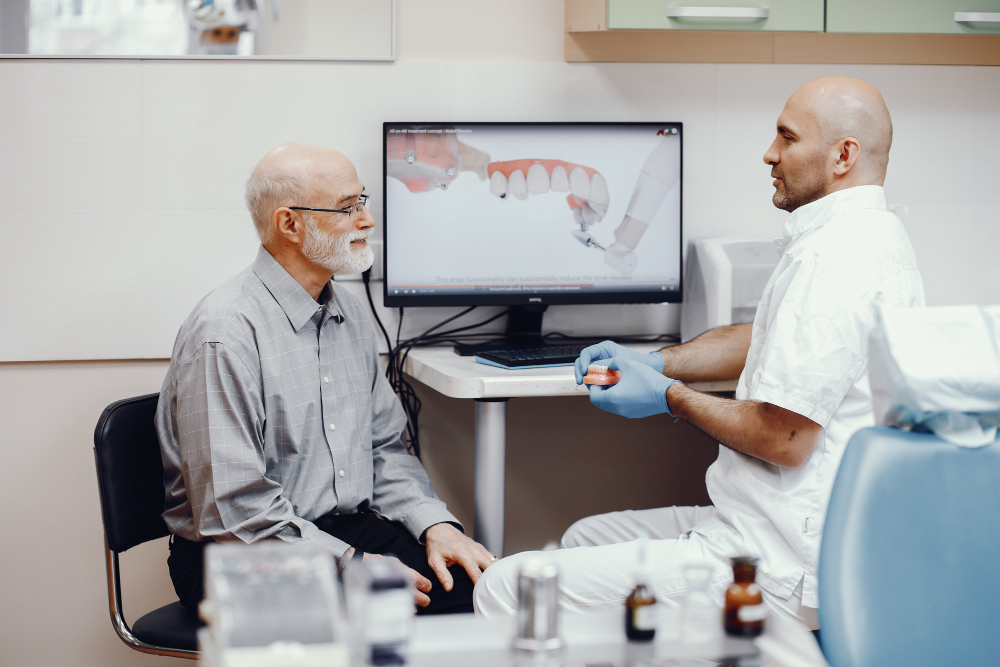
What Are Implant-Supported Restorations?
Implant-supported restorations are dental treatments that use implants to hold replacement teeth. These solutions are designed to last a long time. Dental implants are small metal posts placed in the jawbone. They act like roots for new teeth. After healing, a dentist attaches crowns, bridges, or dentures to these implants. As a result, implant-supported restorations offer a strong and stable way to replace missing teeth. Many people choose them for their long-term dental solutions.
Benefits of Implant-Supported Restorations
There are many reasons why people prefer implant-supported crowns and bridges. First, these restorations look and feel like natural teeth. In addition, they help you chew and speak better. Unlike removable dentures, implants do not slip or move. Furthermore, they help keep your jawbone healthy by preventing bone loss. Over time, this can protect your facial shape. Most importantly, implant-supported restorations can last many years with proper care.
Who Is a Good Candidate?
Not everyone is a good fit for implant-supported restorations. However, many adults with missing teeth can benefit. You may be a good candidate if you:
Still, your dentist will check your mouth and health history. Sometimes, extra steps like bone grafting may be needed before getting implants.
The Procedure: Step-by-Step Overview
Getting implant-supported restorations takes several steps. Although the process may seem long, each step is important for success. Here is a simple overview:
Each step is done with care to make sure your new teeth are strong and look natural.
Longevity and Maintenance Tips
Implant-supported restorations are known for their long life. Still, good care is needed. With the right steps, your dental implants can last for many years. Here are some tips for dental implant maintenance:
By following these steps, you can help your implant-supported crowns and bridges last longer.
Potential Risks and How to Minimize Them
Like any dental treatment, implant-supported restorations have some risks. However, most problems are rare and can be managed. Possible risks include infection, gum problems, or implant failure. To lower these risks, always follow your dentist’s advice. In addition, keep your mouth clean and healthy. If you notice pain, swelling, or loose implants, contact your dentist right away. Early care can prevent bigger problems.
Cost Considerations and Insurance
Implant-supported restorations can cost more than other tooth replacements. However, they often last much longer. The price depends on how many teeth need replacing and where you live, such as in the United States or near you. Some dental insurance plans may cover part of the cost. It is wise to check with your insurance provider. Also, many dental offices offer payment plans to help make treatment more affordable.
Prevention of Implant Failure
Although implant failure is rare, it can happen. But you can take steps to prevent it. Here are some ways to protect your long-term dental implants:
With these habits, you can enjoy your permanent tooth replacement for many years.
Conclusion
In summary, implant-supported restorations offer a safe and lasting way to replace missing teeth. They look natural, feel comfortable, and can improve your quality of life. If you are thinking about long-term dental solutions, these restorations may be right for you. Consult a dental specialist Dr. Anshuman to find out if implant-supported restorations are right for you.