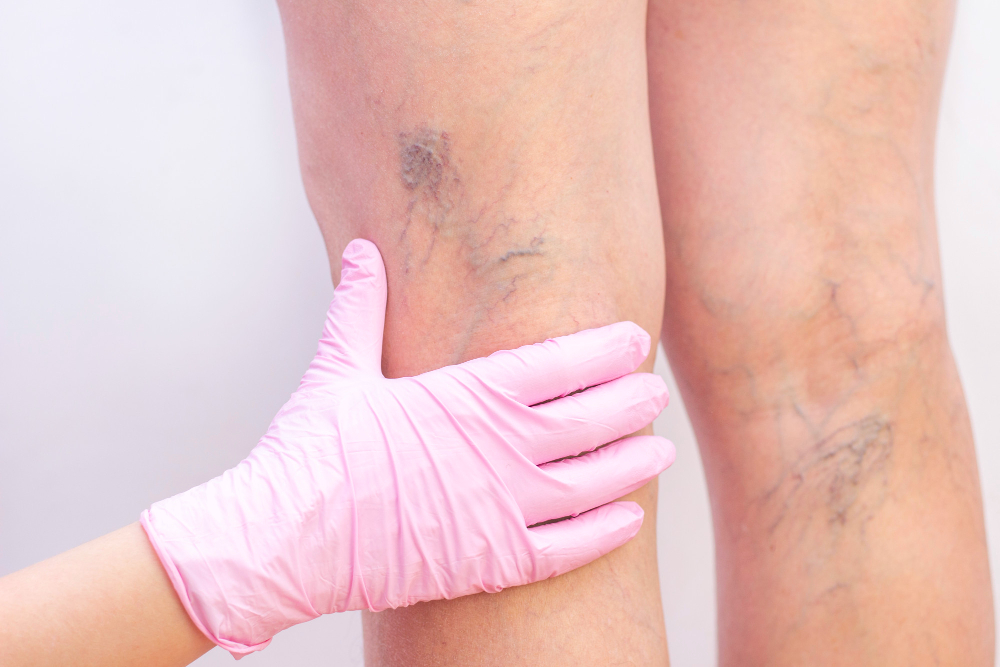
Varicose veins are swollen, twisted veins that often appear on the legs. They can cause aching, heaviness, or discomfort. Many people want to avoid surgery. Thankfully, non-surgical treatment for varicose veins is available. These options include minimally invasive varicose vein treatments and other non-surgical varicose vein options. If you are looking for treatment without surgery for varicose veins, this guide will help you understand your choices.
What Are Varicose Veins?
Varicose veins are veins that have become enlarged and twisted. Usually, they appear blue or purple under the skin. Most often, they develop in the legs. This happens because standing or walking increases pressure in the veins of your lower body. Over time, the valves in the veins may weaken. As a result, blood pools in the veins, causing them to bulge. While varicose veins are common, they can be uncomfortable or unsightly. In some cases, they may lead to more serious health issues.
Why Consider Non-Surgical Treatments?
Many people prefer non-surgical treatments for varicose veins. First, these options are less invasive than surgery. They often have shorter recovery times. In addition, non-surgical varicose vein treatments usually cause less pain and fewer side effects. For those who want to avoid scars or anesthesia, these treatments are a good choice. Moreover, non-surgical varicose vein treatment in your city may be available at local clinics. Always talk to a healthcare provider to find the best option for you.
Types of Non-Surgical Treatments for Varicose Veins
There are several non-surgical varicose vein options. Each method works in a different way. Here are some common treatments:
Benefits and Limitations of Non-Surgical Options
Non-surgical treatments offer many benefits. For example, they usually require little or no downtime. Most people can return to normal activities quickly. Also, these treatments are less painful than surgery. However, there are some limitations. Not all varicose veins respond to non-surgical methods. Sometimes, more than one treatment is needed. In rare cases, surgery may still be required. Therefore, it is important to discuss your options with a doctor.
What to Expect During and After Treatment
Before treatment, your doctor will explain the process. Most non-surgical treatments are done in a clinic. You can usually go home the same day. During the procedure, you may feel mild discomfort, but it is brief. After treatment, you may need to wear compression stockings for a few days. Some people notice mild bruising or swelling. However, these side effects usually go away quickly. Your doctor will give you instructions for care at home.
Lifestyle Tips for Managing Varicose Veins
Along with treatment, healthy habits can help manage varicose veins. Here are some tips:
Prevention Strategies
While you cannot always prevent varicose veins, some steps may lower your risk. For instance, exercise often to keep your blood moving. Eat a balanced diet rich in fiber. Try not to cross your legs when sitting. Also, avoid high heels for long periods. If you have a family history of varicose veins, talk to your doctor about early prevention.
In summary, non-surgical treatment for varicose veins offers many safe and effective options. If you have symptoms or concerns, consult Dr. Anshuman for personalized guidance on non-surgical varicose vein treatment.